 Follow a
  See our
  View our
 Download the
Just Municipal Embedded Generation
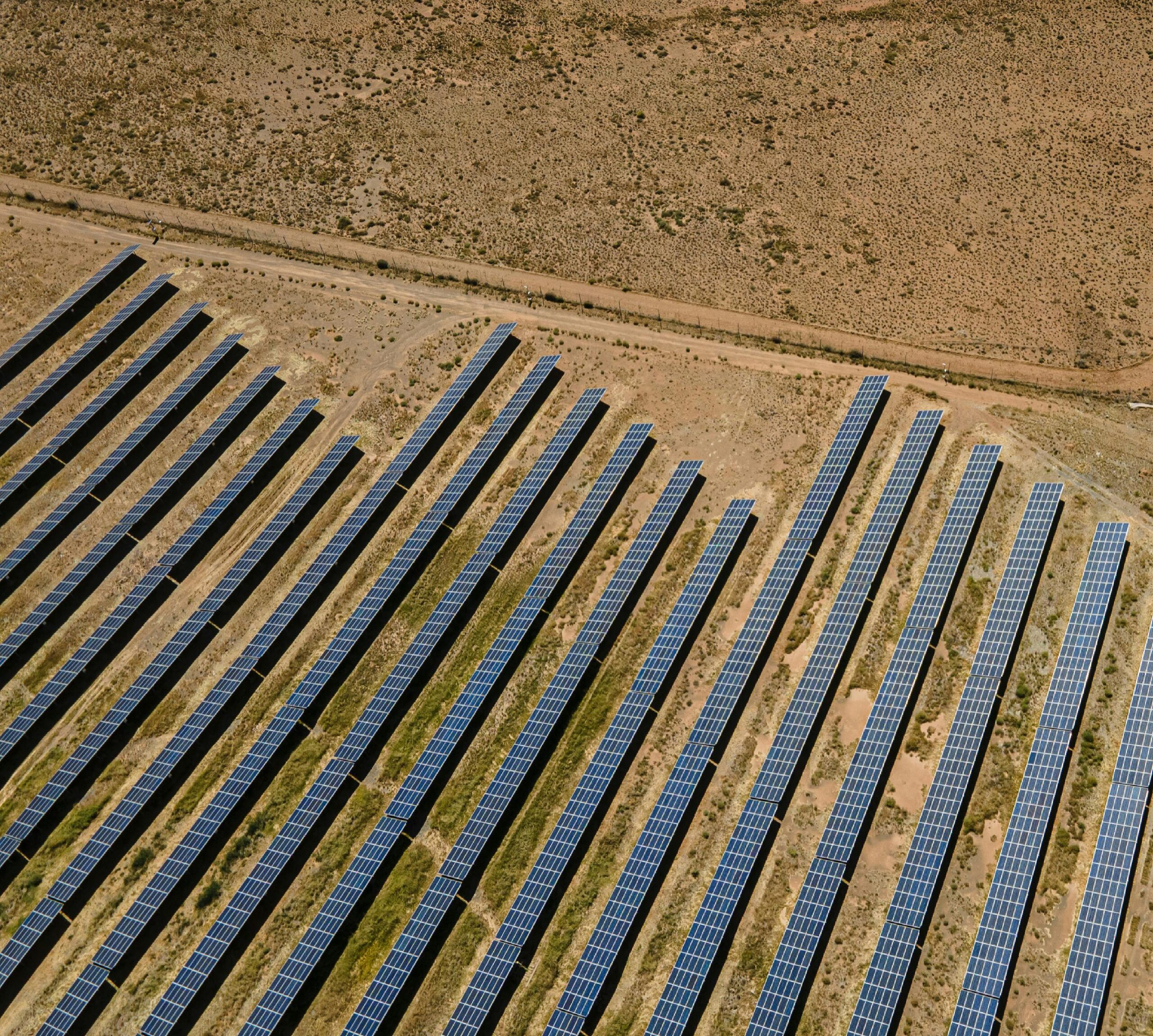
We provide early-stage project preparation support to develop municipal embedded generation projects and assist with sourcing financing.


Years active:
2024 - 2027
Related ICLEI Pathway(s)
Locations
Funded by

About
Project summary
The Just Municipal Embedded Generation (JMEG) project builds on the progress of the Alternative Financing for Municipal Embedded Generation (AFMEG) project, addressing the resource and capacity gap of intermediate municipalities in developing renewable energy embedded generation projects and applying for financing. The Development Bank of Southern Africa (DBSA), in partnership with the Green Climate Fund (GCF), have set up a ~ R4bn Embedded Generation Investment Programme (EGIP) to stimulate growth of embedded generation initiatives in the country, yet, small and intermediary municipalities struggle to participate in the investment programme, due to lack of capacity and resources to meet the application requirements. JMEG provides the following support to:
- Three municipalities that have been submitted and enrolled in DBSA’s project preparation unit as an outcome of the UKPACT supported Alternative Finance for Municipal Embedded Generation (AFMEG) project and that require additional support interms of the transaction structure, regulatory requirements, and commercial assessments.
- Three municipalities that require pre-feasibility support to develop project applications, to be submitted to DBSA’s project preparation unit.
The JMEG project will build off the successes and lessons learnt from the AFMEG project.
The Just Municipal Embedded Generation (JMEG) project builds on the progress of the Alternative Financing for Municipal Embedded Generation (AFMEG) project, addressing the resource and capacity gap of intermediate municipalities in developing renewable energy embedded generation projects and applying for financing. The Development Bank of Southern Africa (DBSA), in partnership with the Green Climate Fund (GCF), have set up a ~ R4bn Embedded Generation Investment Programme (EGIP) to stimulate growth of embedded generation initiatives in the country, yet, small and intermediary municipalities struggle to participate in the investment programme, due to lack of capacity and resources to meet the application requirements. JMEG provides the following support to:
- Three municipalities that have been submitted and enrolled in DBSA’s project preparation unit as an outcome of the UKPACT supported Alternative Finance for Municipal Embedded Generation (AFMEG) project and that require additional support interms of the transaction structure, regulatory requirements, and commercial assessments.
- Three municipalities that require pre-feasibility support to develop project applications, to be submitted to DBSA’s project preparation unit.
The JMEG project will build off the successes and lessons learnt from the AFMEG project.
Project aims
This project supports municipalities to develop renewable energy embedded generation projects from inception to pre-feasibility, including the following: Project identification, Technical pre-feasibility analysis, Financial model and financial report, Analysis of regulatory requirements, Transaction structure and Socio-economic impact analysis, and DBSA project application.
This project supports municipalities to develop renewable energy embedded generation projects from inception to pre-feasibility, including the following: Project identification, Technical pre-feasibility analysis, Financial model and financial report, Analysis of regulatory requirements, Transaction structure and Socio-economic impact analysis, and DBSA project application.
JMEG addresses the finance and capacity constraints preventing municipalities from developing renewable energy embedded generation projects and from accessing finance.
Project highlights
Launching two new reports to empower municipalities in South Africa’s energy transition
1️⃣ Financing and ownership models for municipal embedded generation: Guidance for South African municipalities – Provides municipalities with a practical decision-making framework to identify financing and ownership structures suited to their fiscal position, governance arrangements, and development priorities. It explains how different models, municipal, private, joint-venture, or utility-offtake, can be used to unlock renewable energy generation while ensuring accountability and community benefit. 🔗https://africa.iclei.org/resource/financing-and-ownership-models-for-municipal-embedded-generation/
2️⃣ Navigating the regulatory landscape for embedded generation projects: Guidance for South African municipalities – providing clarity on the regulatory processes and approvals required to move projects from concept to implementation.🔗 https://africa.iclei.org/resource/navigating-the-regulatory-landscape-for-early-stage-embedded-generation-projects/
Powering local transitions: Workshop brings together project municipalities
In November, ICLEI Africa hosted a workshop in Cape Town, where we brought together six project municipalities Cape Agulhas, Ephraim Mogale, Greater Tzaneen, King Sabata Dalindyebo, Matzikama and Walter Sisulu Local Municipality.
The workshop included:
- Developing the foundations for these municipalities to participate in, and shape, the unfolding transition of the electricity sector in South Africa
- Exploring the implications of different delivery options — from municipal procurement to private-sector partnerships — and what these mean for local capacity, control, and risk.
- Learning from peer experiences, including how municipalities like Stellenbosch and Cape Town developed projects, structured PPAs, managed procurement and aligned technical design with regulations, to meet municipal priorities and expectations.
- The DBSA shared advice on what financiers expect from municipal projects in a bid to bridge the knowledge gap between municipalities and DFIs.
- Interactive sessions on integrating Gender, Equality, Disability, and Social Inclusion considerations in municipal project development for local just energy transitions
- Building awareness of project risks and benefits across the preparation cycle and identifying tools to manage them early.
Local just energy transitions unfolding in real time, across South Africa
Between April and May 2026, the JMEG team hosted workshops and stakeholder engagements in the six municipalities to finalise the technical, financial and transaction structure elements of their path towards participating in South Africa’s just energy transition:
- The Greater Tzaneen Municipality is developing a 30MW solar PV plant seeking to establish a partnership with an Independent Power Producer (IPP) and contribute to building local energy security. More information here.
- In Cape Agulhas Municipality, we are strengthening the technical and financial foundations required to take a project forward. More information here.
- Ephraim Mogale Local Municipality is working towards a municipal-owned solar PV plant to help meet its energy needs sustainably. More information here.
- In King Sabata Dalindyebo Municipality, we are developing a phased approach to equip the municipality to participate in the rapidly changing electricity sector through project preparation support and establishing the necessary foundations for appropriate electricity sector projects. More information here.
- In the Walter Sisulu Local Municipality, the focus is on a phased approach to strengthen the foundations required to participate in the transition and enable renewable energy integration over time. More information here.
- The Matzikama Municipality is already making significant progress in areas such as smart metering, Small-Scale Embedded Generation, processes, and electricity planning, while actively engaging with the complexity of implementation and long-term sustainability.
team manager
Main project contact

Dr Michael Boulle
Senior Specialist: Climate Change, Energy & Resilience
The project team
Just Municipal Embedded Generation team
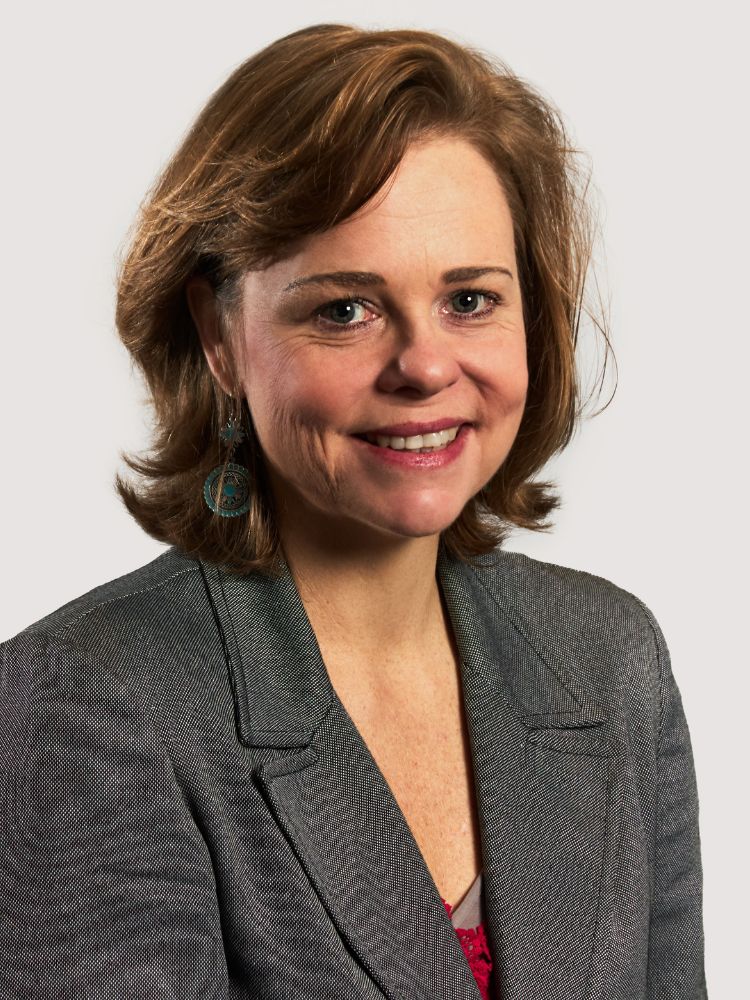
Dr Meggan Spires
Director: Climate Change, Energy & Resilience
Dr Michael Boulle
Senior Specialist: Climate Change, Energy & Resilience
Michael is a researcher with a focus on climate change and energy policy for just transitions in the Global South, and more than ten years of experience working in Southern, West and East Africa, and Latin America. He works at the science-policy interface at the intersection between national and international policy processes, specifically the Nationally Determined Contributions (NDCs) to the Paris Agreement. Michael has worked at universities, consultancies and think tanks, and holds a PhD in Climate Policy, and an MPhil in Energy and Development Studies from the University of Cape Town.

Rabia Parker
Professional Officer: Climate Finance
Rabia is part of ICLEI Africa's Sustainable Finance Centre, and is committed to advancing finance solutions that drive sustainable development across South Africa and Africa to make finance accessible and impactful for communities. With a strong background in finance and economic development, she focuses on integrating policy, finance, and local impact to address the region’s unique challenges.
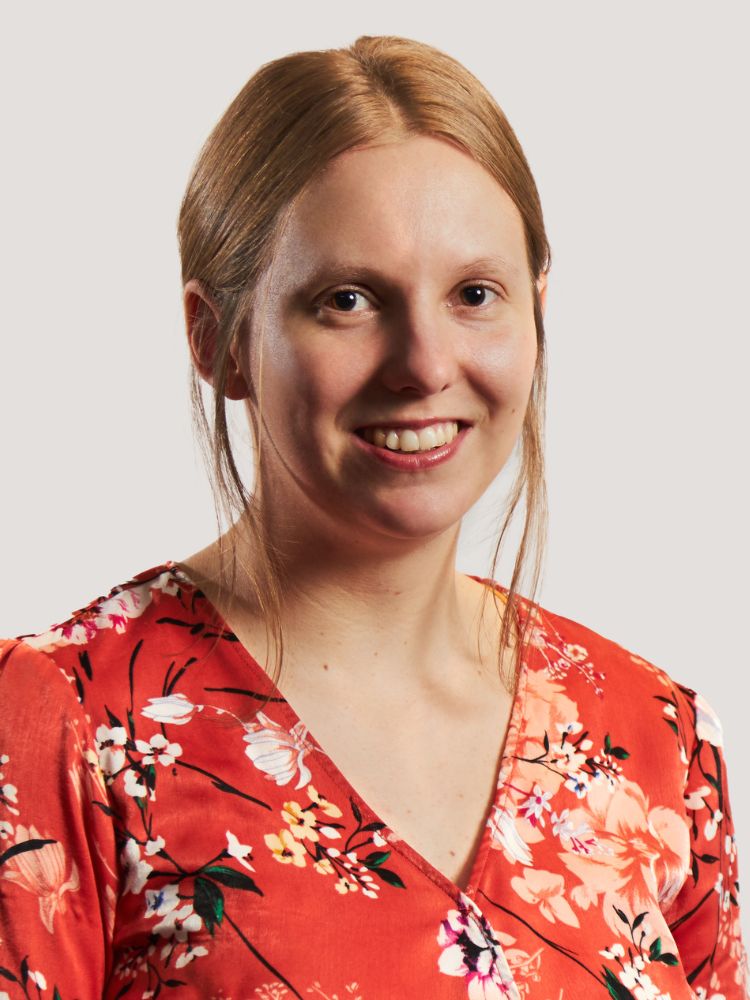
Sadie Wiseman
Professional Officer: Climate Change, Energy & Resilience

Brian Palmer
Senior Specialist: Climate Change, Energy & Resilience
Brian’s diverse climate adaptation experience is centred on building coalitions for resilience in communities facing compounded vulnerability. He holds an MPhil in Climate Change and Sustainable Development, with a focus on coastal governance. His appreciation for monitoring, evaluation, and learning stems from a passion for asking questions, listening, and synthesising information. Brian’s project development work has been rooted in testing innovations and finding replicable success.

Erin Hampton
Intern: Climate Change, Energy and Resilience
Erin holds a Master’s degree in Environmental Policy from Sciences Po’s Paris School of International Affairs. She has two years of experience, having worked at a global renewable energy think tank, where she co-authored key reports, led research on energy transitions, and engaged stakeholders across Africa and Europe, and at a South African socio-ecological NGO, where she conducted environmental economics research, collaborating with local communities on invasive species management. Passionate about inclusive sustainability, Erin advocates for environmental policy solutions that drive social equity. Erin holds an undergraduate degree in Environmental Science and an Honours degree in Economics from the University of Cape Town.

Jarita Kassen
Senior Communications Officer